
Metal Powder Coating Box Body Inspection – Ensuring Corrosion Protection and Coating Integrity for Electrical Enclosures
In Azerbaijan’s oil, gas, and industrial sectors, metal powder coating box body inspection is critical to verify that painted enclosures (junction boxes, distribution cabinets, control panels) maintain long‑term corrosion resistance, adhesion, and mechanical durability. Powder coating is widely applied to steel or aluminum box bodies for outdoor and harsh environments. Our ISO/IEC 17025 accredited laboratory performs comprehensive inspections – including coating thickness, adhesion cross‑cut, impact resistance, salt spray corrosion, and gloss/color consistency – to ensure compliance with international standards (ISO 12944, ASTM D7803, IEC 62208) and local project specifications.
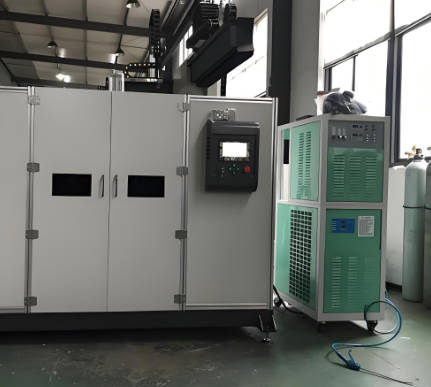
Key Parameters Assessed in Metal Powder Coating Box Body Inspection
We evaluate several critical characteristics to guarantee the protective performance of powder‑coated enclosures.
1. Dry Film Thickness (DFT) Measurement – ISO 2808
Using calibrated magnetic induction gauges (for steel) or eddy current gauges (for aluminum), we measure coating thickness at multiple points (corners, flat surfaces, edges). The average thickness must meet the specification (e.g., 60–120 µm for outdoor use). Inadequate thickness reduces corrosion protection; excessive thickness may cause cracking or poor adhesion.
2. Adhesion (Cross‑Cut Test) – ISO 2409 / ASTM D3359
A grid pattern is cut through the coating to the substrate using a multi‑blade cutter. Adhesive tape is applied and then removed. Adhesion is rated from 0 (no peeling) to 5 (complete detachment). For box bodies, a rating of 0 or 1 is typically required to ensure the coating does not delaminate during service.
3. Impact Resistance (Reverse Impact Test) – ASTM D2794
A weight is dropped onto the coated panel from a specified height, indenting the reverse side. The coating is examined for cracking or detachment. This simulates mechanical abuse during installation or maintenance (e.g., tool strikes). Acceptable performance: no cracking at 2.5 J (or as specified).
4. Salt Spray Corrosion Resistance – ISO 9227 / ASTM B117
Coated panels or complete box sections are placed in a salt spray chamber (5% NaCl, 35°C) for a defined period (e.g., 500, 1000, 1500 hours). After exposure, we evaluate rust creepage from a scribe mark (≤ 2 mm typical) and blistering rating (no blisters allowed). This test is essential for equipment installed in coastal areas of the Caspian Sea or industrial zones.
5. Gloss and Color Measurement – ISO 2813 / ASTM D2244
Using a spectrophotometer, we measure gloss (60° geometry) and color (CIELAB values). The results are compared to the approved reference standard. Gloss variation (> 10 GU) or color difference (ΔE > 2) indicates batch inconsistency or curing issues.
6. Pencil Hardness – ASTM D3363
Pencils of varying hardness are drawn across the coating surface. The hardest pencil that does not cut or scratch the coating defines the hardness. Typical requirement: ≥ 2H.
7. Cross‑Hatch Adhesion After Humidity Exposure
Samples are placed in a humidity chamber (95% RH, 40°C) for 240 hours, then adhesion is re‑tested. No degradation is allowed.
8. Coating Flexibility (Conical Mandrel Bend) – ISO 1519
A coated panel is bent around a conical mandrel. Cracking or detachment at the bend indicates poor flexibility – important for box bodies with formed corners or mounting flanges.
Manufacturing Process Verification
In addition to finished product testing, we audit the powder coating line: pre‑treatment (phosphating or sandblasting profile), curing oven temperature uniformity (datasheet recording), and powder batch traceability. Surface cleanliness before coating is checked by contact angle or water break test.
Reporting and Deliverables
Our metal powder coating box body inspection report includes:
- Box identification (manufacturer, dimensions, steel grade, powder type/color, batch number).
- Thickness measurement summary (average, min, max, standard deviation).
- Adhesion rating (cross‑cut and tape test photos).
- Impact resistance result (force applied, cracking observation).
- Salt spray performance (hours exposed, rust creepage, blistering rating).
- Gloss and color data (including ΔE).
- Hardness, flexibility, and humidity test results.
- Process verification notes (pre‑treatment, curing logs).
- Comparison with client‑supplied specification – pass/fail conclusion.
We archive raw data (thickness logs, corrosion images, spectrophotometer files) for 10 years. No generic compliance statement is issued without specific client criteria.
In summary, thorough metal powder coating box body inspection ensures that electrical enclosures used in Azerbaijan’s demanding environments – from offshore platforms in the Caspian to industrial plants in Sumgayit – deliver reliable, long‑lasting corrosion protection and safe operation.
Applications in the Azerbaijani Industry
- Offshore oil and gas platforms (SOCAR, BP) – Corrosion‑resistant junction boxes for explosion‑proof areas.
- Power distribution (Azerenergy, Mingachevir) – Outdoor cabinets for substations requiring UV and salt resistance.
- Telecommunications and railway signaling – Enclosures for trackside equipment exposed to dust and moisture.
- Infrastructure projects (Baku New Boulevard, airport expansion) – Architecturally coated boxes for lighting control.
- Manufacturing and assembly plants – Incoming quality control for powder‑coated electrical enclosures.
Why Choose ZKGX?
- State-of-the-art analytical equipment
- Highly qualified scientific team
- Fast turnaround time
- Competitive pricing