
Identification Method for Quality of Synthetic Resin Tiles – Ensuring Roofing Durability and Weather Resistance
In Azerbaijan’s construction sector, where buildings face hot summers, freezing winters, and occasional heavy rainfall, identification method for quality of synthetic resin tiles is essential for manufacturers, contractors, and importers to verify that roofing materials meet performance standards. Synthetic resin tiles (made from ASA, PVC, or polyester resins) are widely used for residential, commercial, and industrial roofing due to their light weight, corrosion resistance, and aesthetic appeal. Our ISO/IEC 17025 accredited laboratory provides comprehensive testing – including UV weathering, flexural strength, impact resistance, fire retardancy, dimensional stability, and color fastness – to classify tiles into quality grades and ensure long‑term service life. Without a reliable identification method, substandard tiles can fail within years, leading to costly repairs, water leakage, and safety hazards.
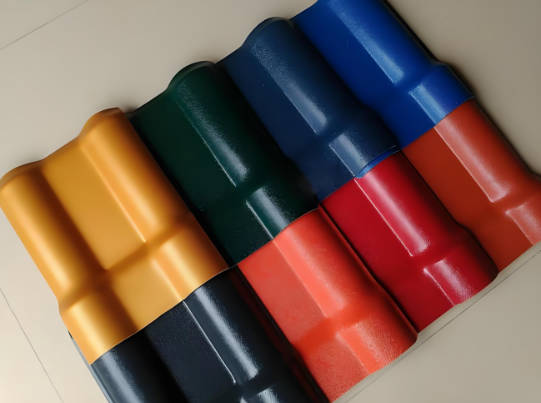
Understanding the Importance of a Systematic Identification Method for Quality of Synthetic Resin Tiles
Low‑quality resin tiles can fade, crack, warp, or become brittle within a few years of installation. A standardized identification method for quality of synthetic resin tiles helps buyers distinguish between premium ASA‑coated tiles, mid‑range PVC tiles, and inferior recycled‑resin products. The construction boom in Baku, Ganja, and Sumgayit has increased demand for affordable roofing, but without rigorous testing, many buildings receive tiles that lack UV stabilizers, adequate impact strength, or proper flame retardancy. Our testing protocols follow international standards (ASTM D6878, EN 14608, ISO 11925‑2) and adapt to local building codes in Azerbaijan (Azərbaycan Respublikasının Şəhərsalma və Tikinti Məcəlləsi). By implementing this identification method, importers can reject counterfeit batches, contractors can specify reliable materials, and homeowners can enjoy decades of trouble‑free roofing.
Key Quality Parameters and Their Identification Methods
1. UV Weathering Resistance – The Primary Indicator of Long‑Term Durability
Using a xenon arc or QUV weathering chamber, we expose tile samples to simulated sunlight (including UV‑A and UV‑B) for 500, 1000, or 2000 hours, with water spray cycles to simulate rain and condensation. This accelerated test replicates years of outdoor exposure. After exposure, we measure color change (ΔE) using a spectrophotometer, gloss retention (60° geometry), and check for chalking, cracking, or surface erosion. Premium ASA resin tiles maintain ΔE < 3 and show no cracking after 2000 hours. Poor‑quality tiles chalk heavily within 500 hours or fade beyond ΔE > 5, indicating insufficient UV stabilizers.
2. Flexural Strength and Modulus – Structural Integrity Under Load
Roofing tiles must support maintenance personnel walking on them and withstand snow loads and wind uplift. A rectangular sample (100×50×thickness) is supported on two rollers (span 80 mm) and loaded at a constant speed (5 mm/min) until fracture. We record the maximum bending load (N) and calculate flexural strength (MPa). For synthetic resin tiles, minimum flexural strength of 25 MPa is typical for roofing applications. Low values (below 18 MPa) indicate excessive filler content (calcium carbonate) or poor resin crosslinking, leading to brittle failure under foot traffic.
3. Impact Resistance (Falling Dart Method) – Resistance to Hail and Falling Debris
A weighted dart with a hemispherical tip (mass 2–5 kg, diameter 38 mm) is dropped from a defined height onto the tile surface supported by a steel ring. The impact energy at which the tile cracks, splits, or shatters is recorded. Premium tiles withstand 4–6 J without fracture, making them suitable for hail‑prone regions. Low‑quality tiles fail below 2 J, meaning a single hailstorm could puncture the roof. This test is critical for agricultural buildings and industrial warehouses.
4. Fire Retardancy – Self‑Extinguishing Property for Building Safety
Using a vertical or horizontal flame test apparatus (UL 94 or ASTM D635), we apply a 20 mm methane flame to the tile edge. We measure after‑flame time, after‑glow time, and observe whether flaming drips ignite cotton placed below. Class V‑0 (flame extinguishes within 10 seconds, no flaming drips) is required for buildings with high fire safety requirements (hospitals, schools, hotels). Class V‑2 (flame drips that may ignite cotton) is not acceptable for occupied buildings. Tiles that continue burning for more than 30 seconds are considered combustible and fail inspection.
5. Heat Deflection Temperature (HDT) – Resistance to Sagging and Warping
Under a constant bending load (0.45 MPa or 1.8 MPa), we raise the temperature at 2°C/min in an oil bath or air oven. The HDT is the temperature at which a defined deflection (0.25 mm) occurs. For roofing tiles exposed to direct sunlight, especially dark‑colored tiles that can reach 70–80°C, HDT should be ≥ 85°C. Lower HDT (e.g., 60°C) leads to sagging between rafters, oil‑canning distortion, and eventual seam separation. This test distinguishes between high‑performance engineering resins and recycled commodity plastics.
6. Linear Thermal Expansion (CLTE) – Preventing Buckling and Joint Failure
Using a thermomechanical analyzer (TMA) or dilatometer, we measure dimensional change over a temperature range of -20°C to +60°C (typical Azerbaijani extremes). The coefficient of linear thermal expansion (α) is calculated in /°C. Tiles with high expansion coefficient (> 8×10⁻⁵ /°C) risk buckling, gap opening at joints, or sealant failure as temperatures cycle. Premium ASA‑PVC composite tiles achieve α < 5×10⁻⁵ /°C, matching roofing metal flashings and minimizing stress on fasteners.
7. Water Absorption – Preventing Freeze‑Thaw Damage
We immerse tile samples in distilled water at 23°C for 24 hours, then weigh. Water absorption is expressed as a percentage of dry weight. For synthetic resin tiles, water absorption should be < 0.5% for premium grades. Higher absorption (> 2%) leads to freeze‑thaw damage in winter (water expands upon freezing, causing micro‑cracks), reduced mechanical properties, and possible mold growth in humid climates. This test also detects porous structures caused by improper extrusion.
8. Chemical Resistance – Industrial and Coastal Applications
Samples are immersed in 10% H₂SO₄ (simulating acid rain), 10% NaOH (alkaline cleaning agents), and 5% NaCl (coastal salt spray) at 23°C for 7 days. After exposure, we rinse, dry, and re‑test flexural strength and surface appearance. Quality tiles retain > 90% of original strength with no blistering, softening, or discoloration. Poor‑quality tiles may swell, crack, or lose 50% of strength – unsuitable for chemical plants or coastal installations near the Caspian Sea.
9. Visual Defect Inspection – Surface Quality and Lamination Integrity
Under bright light (1000 lux), trained inspectors scan the tile surface for bubbles, pinholes, lack of pigmentation, surface cracks, or separation between cap layer (ASA) and substrate (PVC). For co‑extruded tiles, we measure the cap layer thickness using a microtome cross‑section under 200× magnification. Premium tiles have ASA cap thickness ≥ 0.1 mm, ensuring 10+ years of color stability. Tiles with cap thickness < 0.05 mm will fade and chalk within 2–3 years.
Quality Grading System Based on Identification Method Results
Based on our identification method for quality of synthetic resin tiles, we classify tiles into three grades to help buyers make informed decisions:
- Premium (Grade A) – ASA cap layer thickness ≥ 0.1 mm, ΔE < 3 after 2000h UV, flexural strength > 30 MPa, HDT > 85°C, impact resistance > 5 J, V‑0 fire rating, water absorption < 0.3%. Recommended for residential, commercial, and industrial roofing requiring 20+ year service life.
- Standard (Grade B) – ASA cap layer ≥ 0.07 mm, ΔE < 5 after 1000h UV, flexural strength 25–30 MPa, HDT 75–85°C, impact resistance 3–5 J, V‑1 or V‑2 fire rating, water absorption < 0.8%. Suitable for warehouses, sheds, and temporary structures.
- Economy (Grade C) – No ASA cap (single‑layer PVC), significant fading or chalking after 500h UV, flexural strength < 22 MPa, HDT < 70°C, impact resistance < 2 J, burns without self‑extinguishing, water absorption > 1.5%. Not recommended for any permanent roofing application – only for short‑term or non‑weather‑exposed uses.
Reporting and Deliverables
Our test report includes sample identification (manufacturer, batch number, color, nominal thickness), each quality parameter with measured values and reference limits, photographs of surface defects, UV exposure color change charts (ΔE vs. hours), flexural stress‑strain curves, impact failure images, and a clear grade classification (Grade A/B/C) based on client‑supplied or industry standards. Raw data (spectrophotometer logs, thermal analysis files, flame test videos) are archived for 10 years. We do not issue generic compliance statements without specific acceptance criteria. Our reports are accepted by the State Agency for Control over Construction and Housing, import customs, and major construction firms in Baku.
In summary, a systematic identification method for quality of synthetic resin tiles protects builders, distributors, and homeowners from premature roofing failures. By verifying UV resistance, mechanical strength, fire safety, and dimensional stability, you ensure that installed tiles will withstand Azerbaijan’s continental climate for decades. Contact our ISO/IEC 17025 accredited laboratory to schedule testing for your next tile shipment or production batch.
Applications in the Azerbaijani Market
- Residential housing projects (Baku, Ganja, Sumgayit, Mingachevir): Quality verification of imported resin tiles from Turkey, China, and Iran.
- Industrial warehouses and factories (Sumgayit Chemical Industrial Park, Baku Industrial Estate): Fire retardancy and UV resistance testing for large‑roof installations.
- Agricultural buildings (poultry farms, cotton storage sheds): Cost‑effective tile selection with adequate impact resistance.
- Renovation of historical buildings (Icherisheher, Old City Baku): Matching color and weathering of replacement tiles to existing roofs.
- Export to neighboring markets (Georgia, Turkey, Russia): Compliance with destination country standards and buyer specifications.
Why Choose ZKGX?
- State-of-the-art analytical equipment
- Highly qualified scientific team
- Fast turnaround time
- Competitive pricing